The Basics of Natural Energy Regulation
Published: February 2026
An exploration of the physiological mechanisms through which the body naturally regulates energy intake, expenditure, and storage.
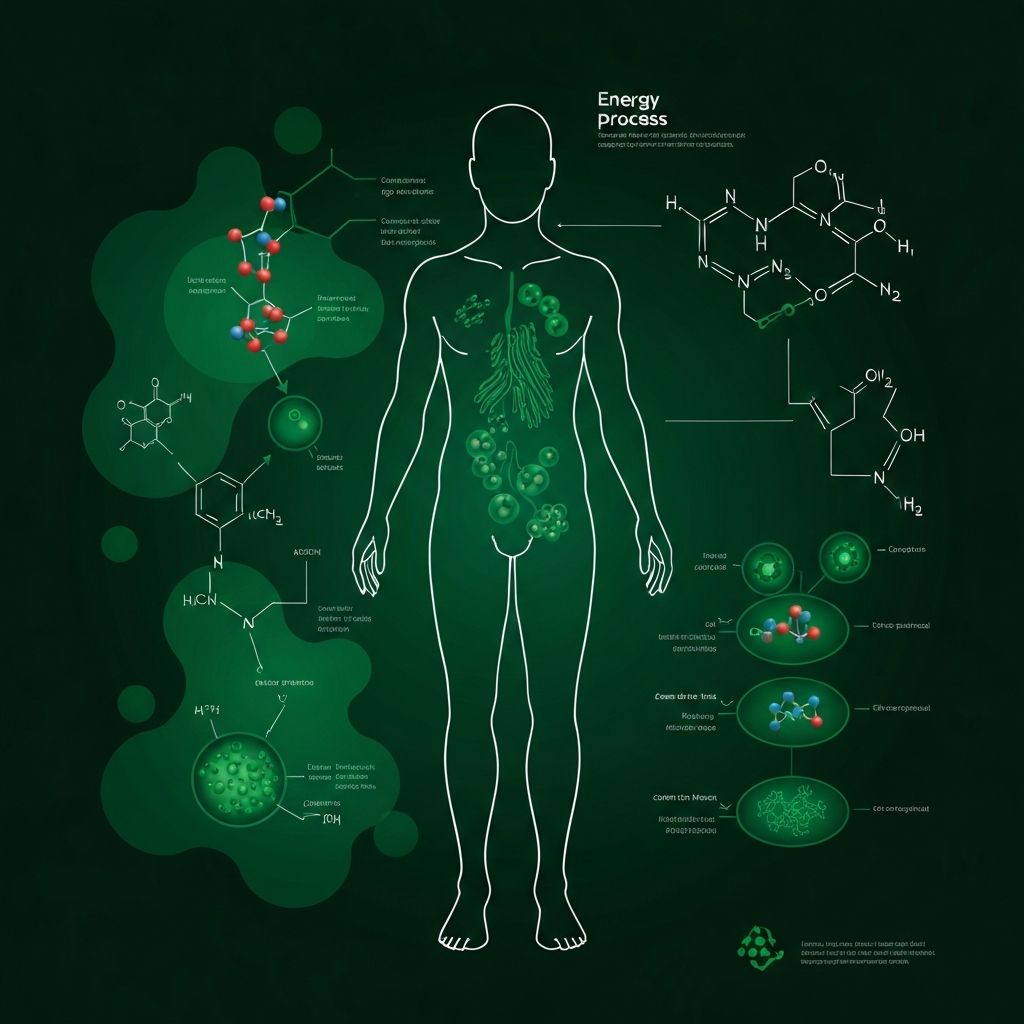
Understanding Energy Balance
At the foundation of nutrition science lies the principle of energy balance—the relationship between energy consumed and energy expended. This concept forms the basis for understanding how body weight is regulated at the physiological level.
The human body maintains energy homeostasis through remarkably sophisticated regulatory mechanisms. The brain continuously monitors energy status through various signals—hormonal, neural, and metabolic—and orchestrates adjustments in appetite, energy expenditure, and metabolic efficiency to maintain stability.
This regulatory system is far more complex than simple arithmetic. The body doesn't merely track calories in and calories out; instead, it employs multiple interconnected systems that communicate about energy status and coordinate responses to maintain equilibrium.
Hormonal Regulation of Appetite and Energy
Numerous hormones influence energy regulation, creating a complex signalling network. Leptin, produced by adipose tissue, communicates to the brain about energy reserves and satiety. Ghrelin, produced in the stomach, signals hunger and appetite. Peptide YY and other intestinal hormones communicate information about meal size and nutrient content.
These hormonal signals don't operate in isolation. They interact with neural systems, metabolic factors, and psychological influences to create the experience of hunger and fullness. The sophistication of this system explains why energy balance cannot be reduced to simple conscious arithmetic.
Importantly, these regulatory systems can adapt to changing circumstances. Sustained energy restriction can trigger metabolic adaptation—changes in expenditure and appetite regulation that counteract the restriction. Similarly, consistent overeating can shift these regulatory setpoints, though generally with less pronounced adaptation.
Components of Total Daily Energy Expenditure
The body expends energy through three primary mechanisms, which together constitute total daily energy expenditure (TDEE):
- Basal Metabolic Rate (BMR): Energy required for essential physiological functions at rest—breathing, heart function, temperature regulation, cellular processes. BMR typically accounts for the largest proportion of daily energy expenditure.
- Thermic Effect of Food (TEF): Energy required to digest, absorb, and process nutrients from food. Different macronutrients require different energy for processing, with protein requiring more energy than carbohydrates or fats.
- Activity Energy Expenditure: Energy expended through purposeful exercise and daily movement. This component varies significantly between individuals based on lifestyle, occupation, and chosen activities.
Beyond these primary components, research has identified additional factors influencing energy expenditure, including environmental temperature, stress hormones, sleep quality, and numerous other variables that create individual differences in energy requirements.
The Role of Nutrient Sensing
The body possesses multiple mechanisms for sensing the presence and type of nutrients. Chemoreceptors throughout the digestive tract detect nutrients and trigger signalling cascades that influence appetite, satiety, and metabolic processes.
The nutritional quality and composition of food influences these sensing mechanisms. Whole foods with their natural complement of nutrients, fibre, and structural properties trigger different signals than refined or processed alternatives. This distinction helps explain why different foods produce different metabolic responses despite containing similar energy content.
Individual Variation in Energy Regulation
While the general principles of energy balance apply universally, individual variation in energy regulation is substantial. Genetics influence metabolic efficiency, hunger sensitivity, satiety response, and numerous other factors. Age, sex, body composition, health status, medications, and lifestyle factors all contribute to individual differences in energy requirements and regulation.
This individual variation explains why general guidelines cannot provide optimal guidance for specific individuals. Two people consuming the same food in the same quantities may experience different metabolic effects based on their unique regulatory characteristics.
Practical Implications
Understanding energy regulation at the physiological level helps illuminate why sustainable approaches to body weight differ from extreme interventions. The body's regulatory systems create resistance to sustained restriction, suggesting that approaches emphasising consistency, sustainability, and lifestyle integration may align more effectively with physiological processes than approaches requiring constant willpower and restriction.
The complexity of energy regulation also underscores why generalised recommendations must be interpreted with recognition of individual variation. What constitutes optimal nutrition and activity patterns differs substantially between individuals.
Educational Note: This article explains scientific principles for educational understanding. It does not provide personalised advice or recommendations. Individuals seeking guidance should consult qualified healthcare professionals or registered dietitians who can consider individual circumstances.